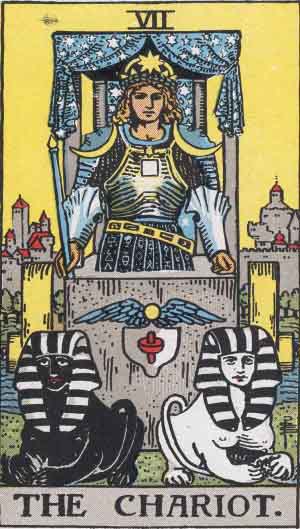
Plato used a similar metaphor in which the self (or soul) is a chariot, and the calm, rational part of the mind holds the reins. Plato’s charioteer had to control two horses:
“The horse that is on the right, or nobler, side is upright in frame and well jointed, with a high neck and a regal nose; . . . he is a lover of honor with modesty and self-control; companion to true glory, he needs no whip, and is guided by verbal commands alone. The other horse is a crooked great jumble of limbs . . . companion to wild boasts and indecency, he is shaggy around the ears—deaf as a post—and just barely yields to horsewhip and goad combined.”